Judgement over speed: what leading practices said about AI at Architecture After Hours London
By Vladislav Akhmetov · 6 min read
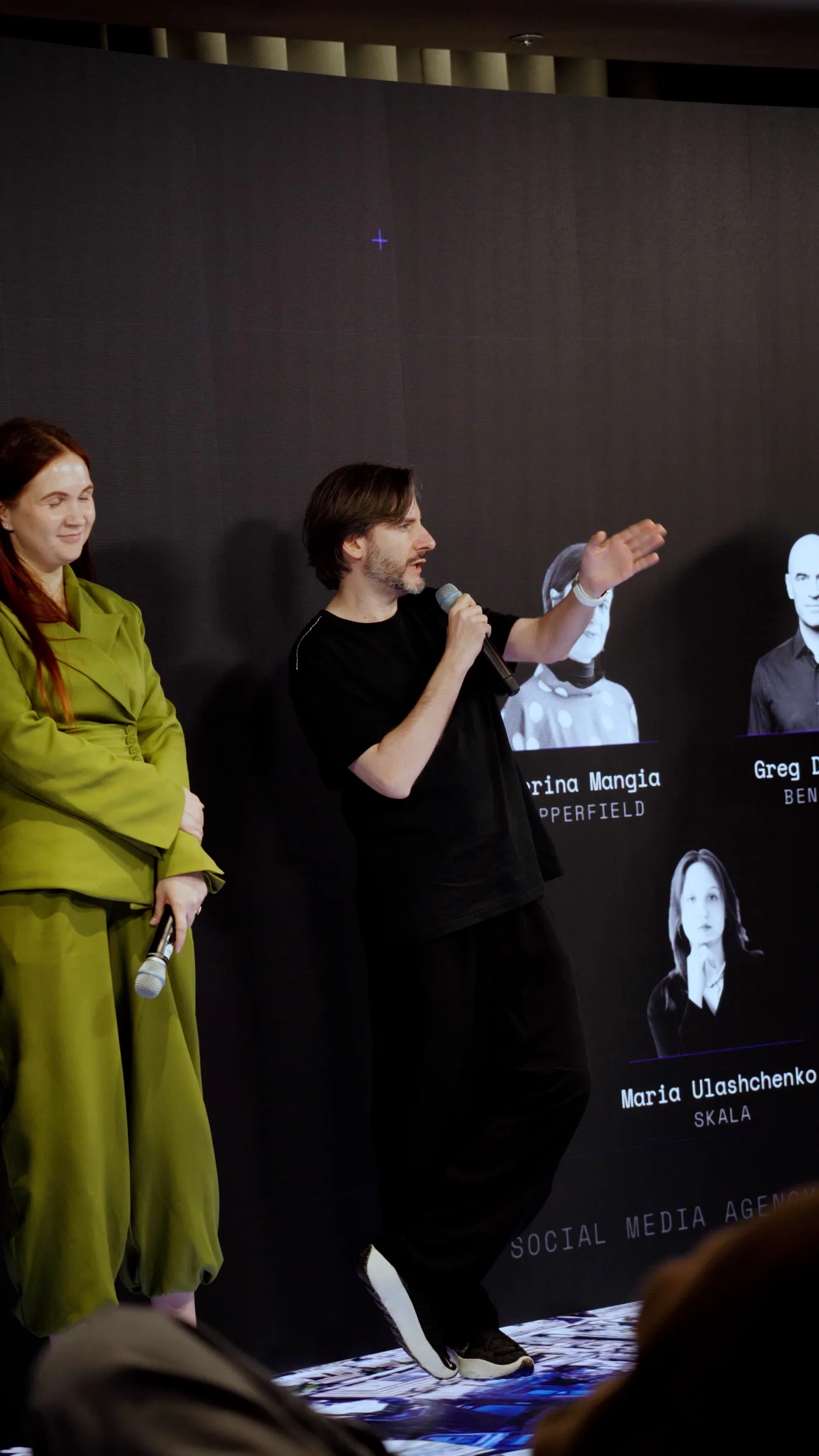
On 23 September we ran the first London edition of Architecture After Hours, 43 floors up at 8 Bishopsgate in the Bentley Systems office, in partnership with Bentley and Gendo AI. The evening sold out. On one stage, in one evening: ZHA, Foster + Partners, KPF, Heatherwick Studio, David Chipperfield Architects, Bentley and Gendo AI, talking about technology and what happens to the profession. Chris Williamson, president of the Royal Institute of British Architects, was among the guests.
Evenings like this usually produce a photo dump and a thank-you post. This one produced positions worth writing down. What follows is built from the talks and from what the speakers themselves wrote publicly afterwards, linked so you can read them in full.
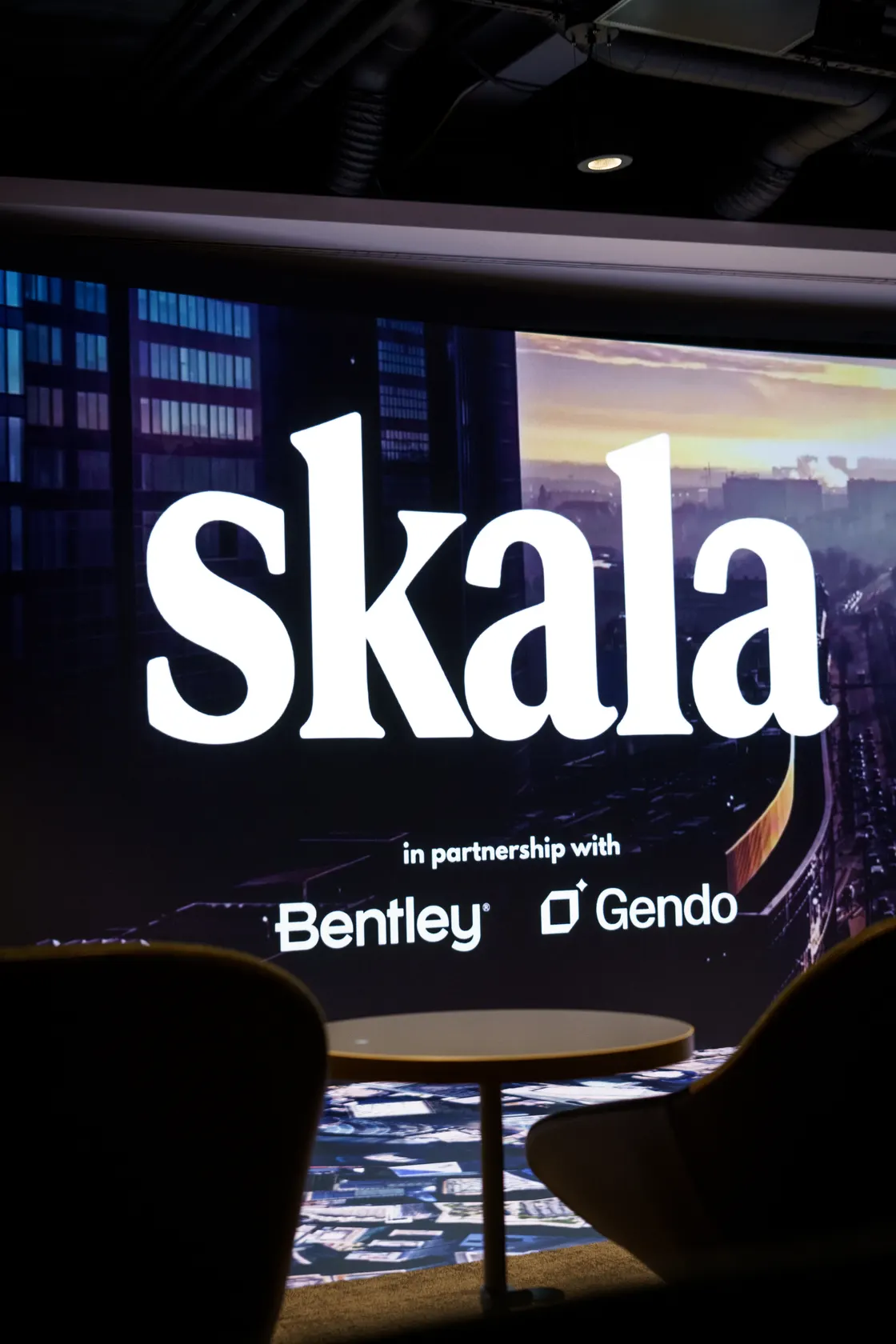
The thread the whole evening pulled on
If the evening had one finding, Caterina Mangia of David Chipperfield Architects named it: a strong consensus that as the technology evolves, critical thinking and architectural judgement become more important, not less. Nobody on that stage argued that AI replaces the architect. Every practice argued, from different directions, that it moves the weight of the job toward the parts a machine cannot carry: deciding what is worth doing, for whom, and taking responsibility for the result.
That consensus is more interesting than it sounds, because the people agreeing run technology at firms that could not be more different in how they build.
What each speaker brought
Po-Fu Yang gave the evening its longest arc. He started architecture school in Taiwan at drawing boards and physical models, with no computers allowed until third year, and has worked through the shift to digital design, fabrication and now AI. His point, written out in his own post: every tool changed what the profession can produce and how fast, but "speed alone does not tell us whether we are asking the right questions." Lived experience, judgement and responsibility for decisions are what stay with the architect as the repetitive work falls away.
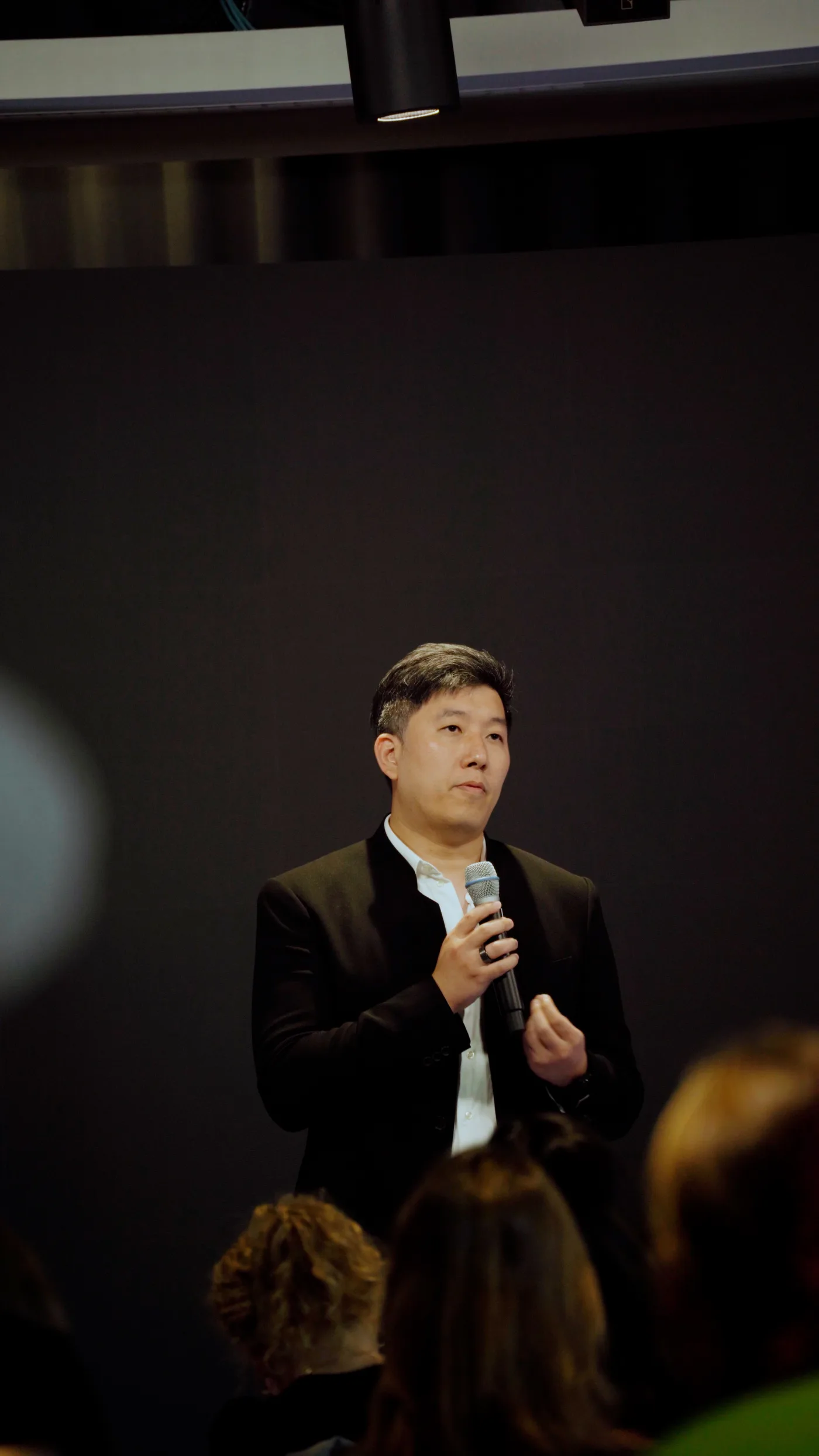
Anna Mytcul and Brian Spring showed how AI actually gets used across a large practice today, and drew the line the audience kept coming back to: automate the rule-based tasks, keep judgement and design intent with the architect. Anna's summary afterwards was the most quotable formula of the night: AI is an amplifier, its goal is to make production faster, and it has not produced a new architectural language yet.
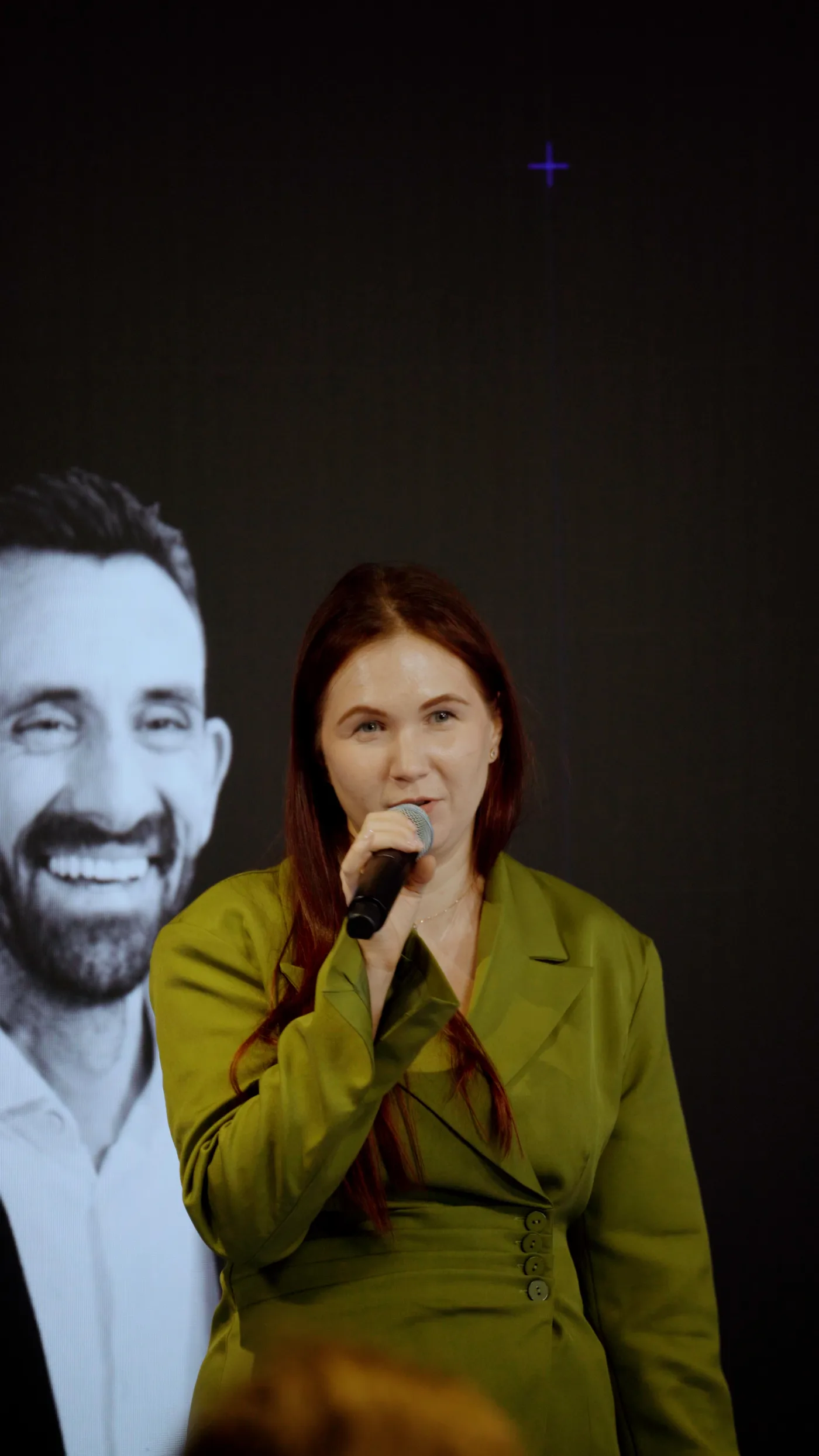
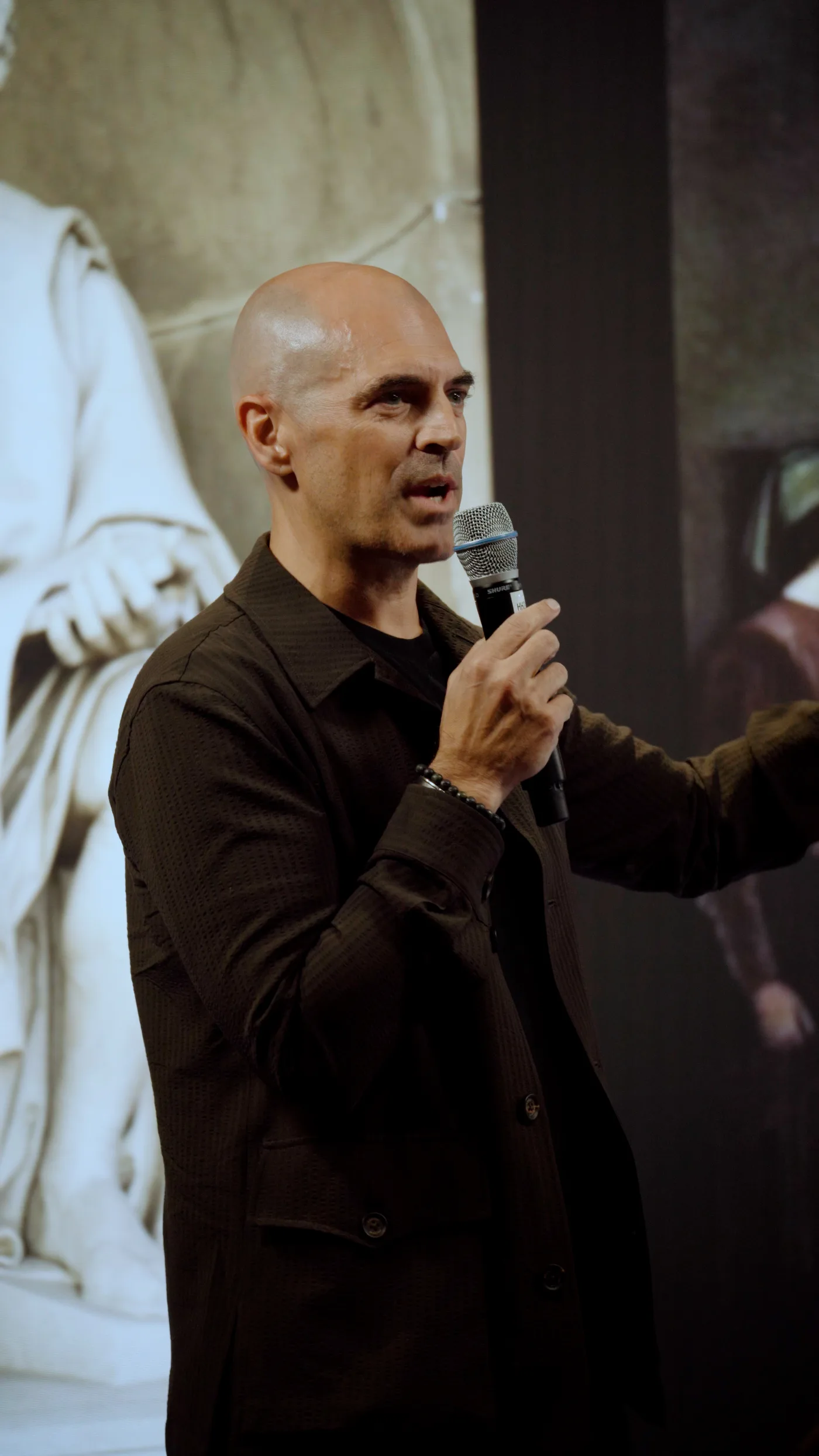
Greg Demchak reached furthest back for perspective, comparing this moment to Brunelleschi's dome: a technical innovation that redefined what the profession could attempt. The question he left the room with: "what is the next egg we as a profession can crack?"
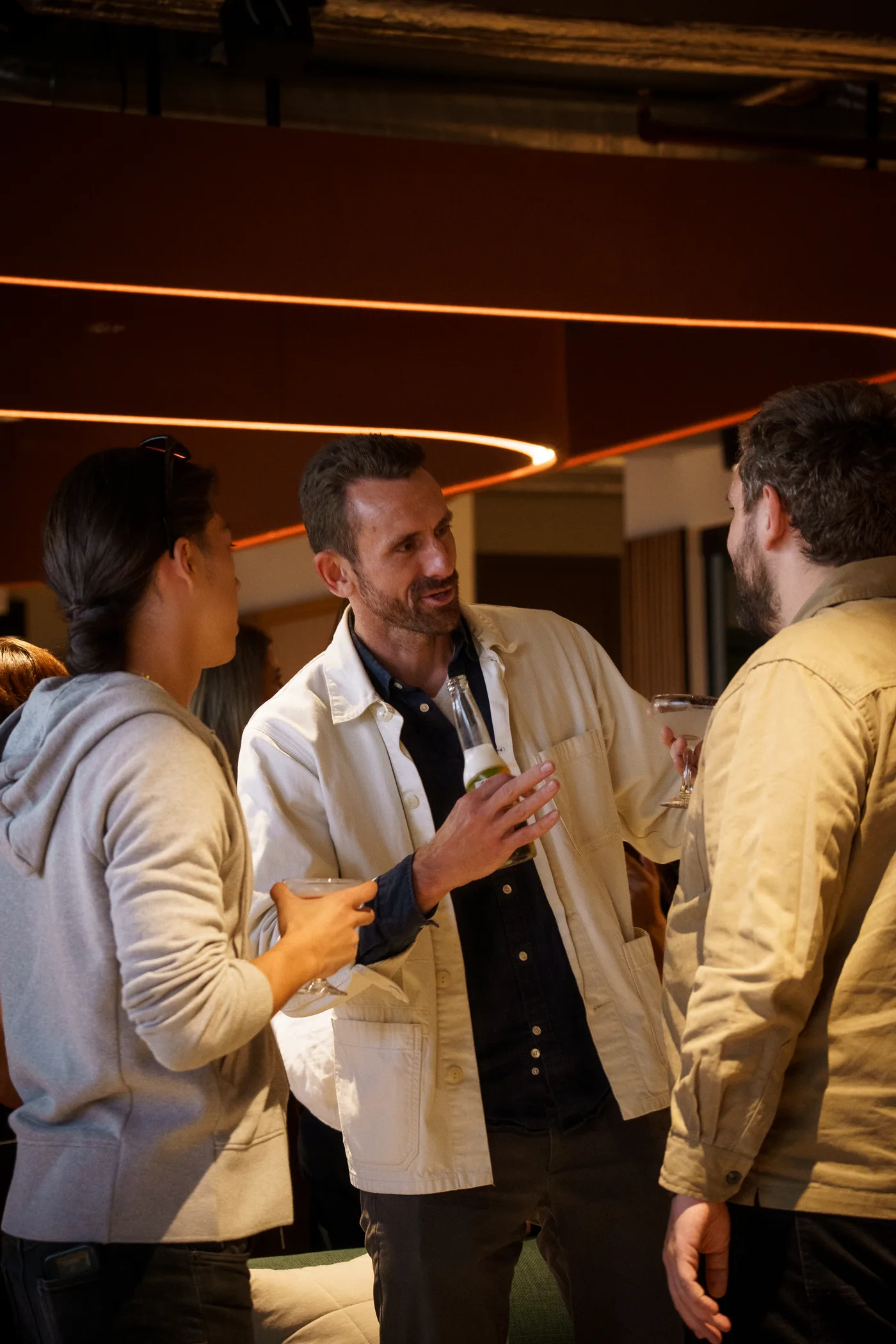
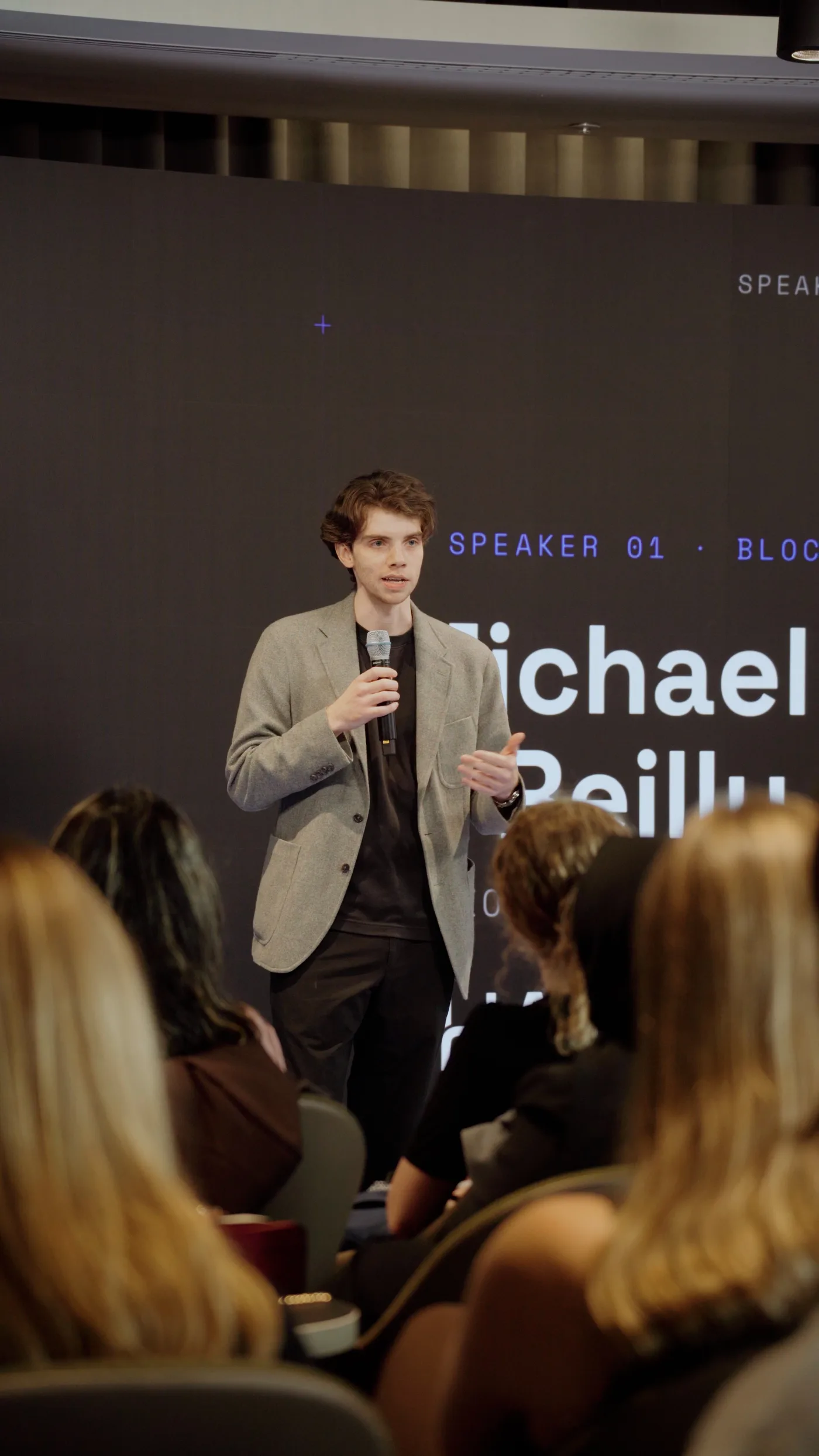
Michael O'Reilly made a point about the format itself that we will keep: the honest dialogue happened after the formal talks, in the informal conversations across the room. In his words, written afterwards, with the present degree of technological uncertainty, these conversations are more important than ever.
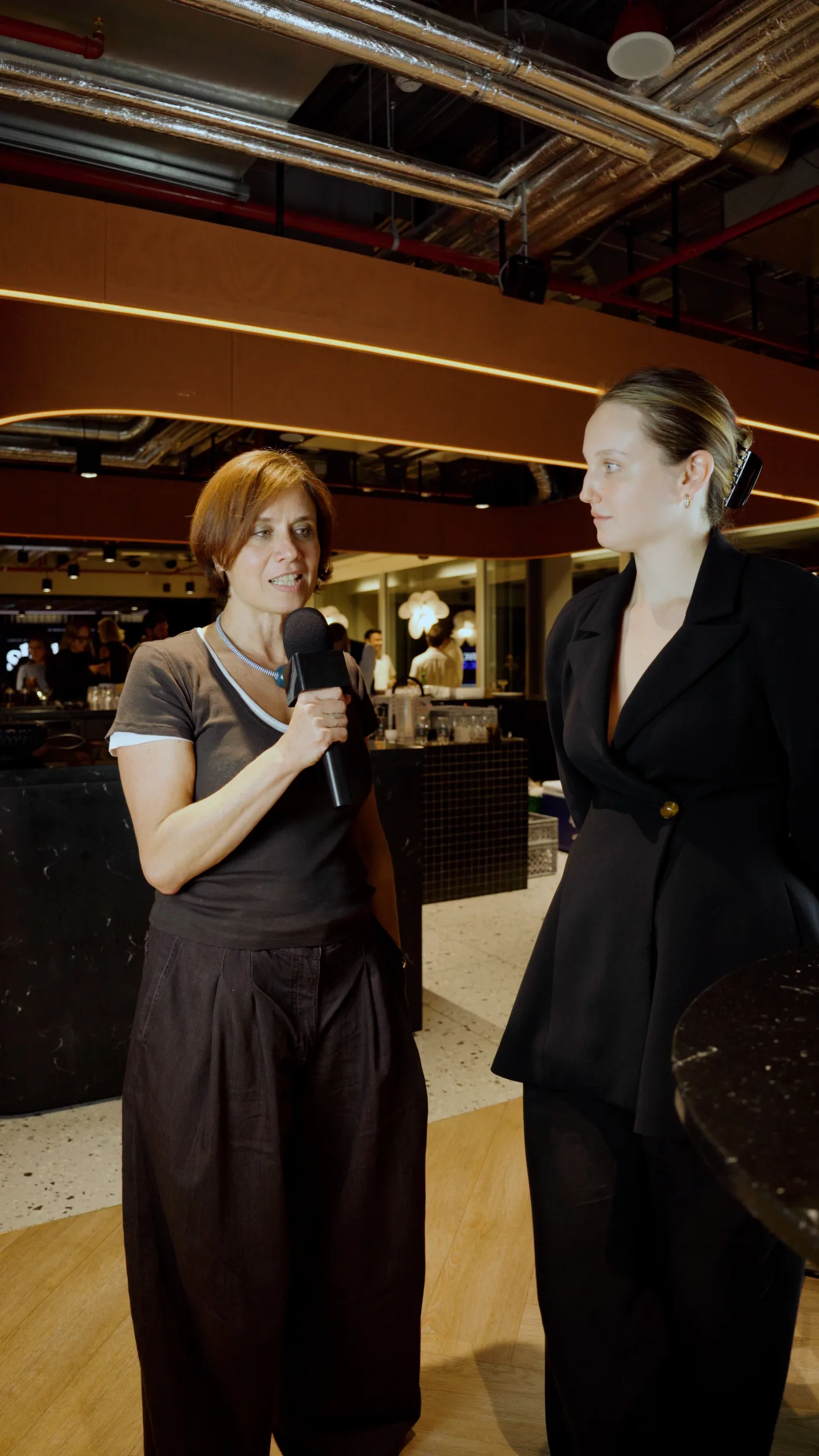
Caterina Mangia also did something quietly contrarian: she put sustainability in the middle of an AI evening, and it landed. The argument that a profession racing to adopt new tools still answers to energy, material and environmental reality was one of the most discussed of the night.
Arturo Tedeschi brought the independent view to a stage otherwise held by large practices: a computational designer and author whose work has shaped how a generation of architects thinks about algorithms in design.
Pablo Zamorano spoke from the applied research side of one of the most recognisable studios in the world, where new tools meet the studio's insistence on the hand-made and the human scale.
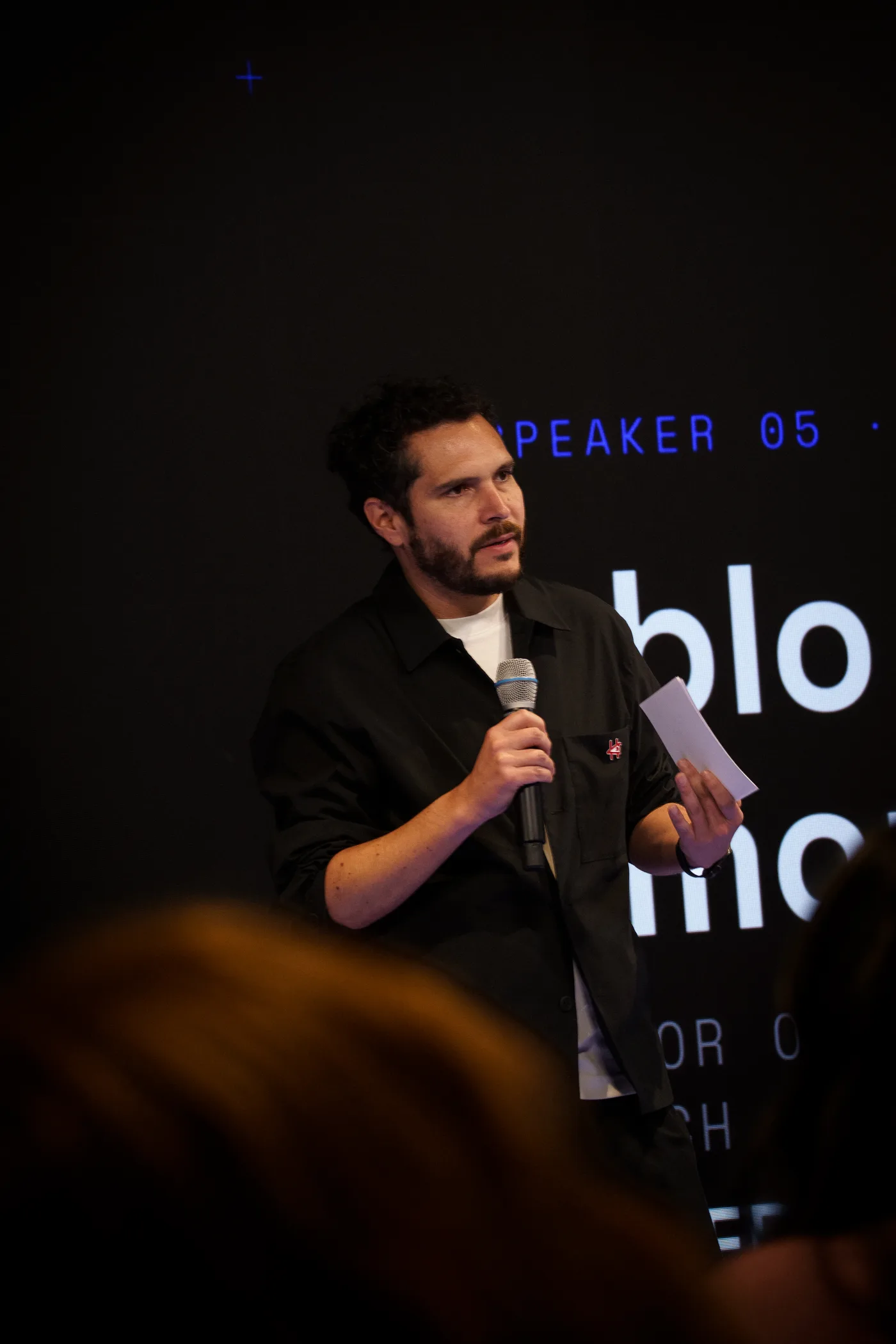
George Proud completed the lineup from the toolmaker's chair: as co-founder and CEO of Gendo AI, he builds the kind of software the rest of the stage was debating, and took the room's questions from that side of the table.
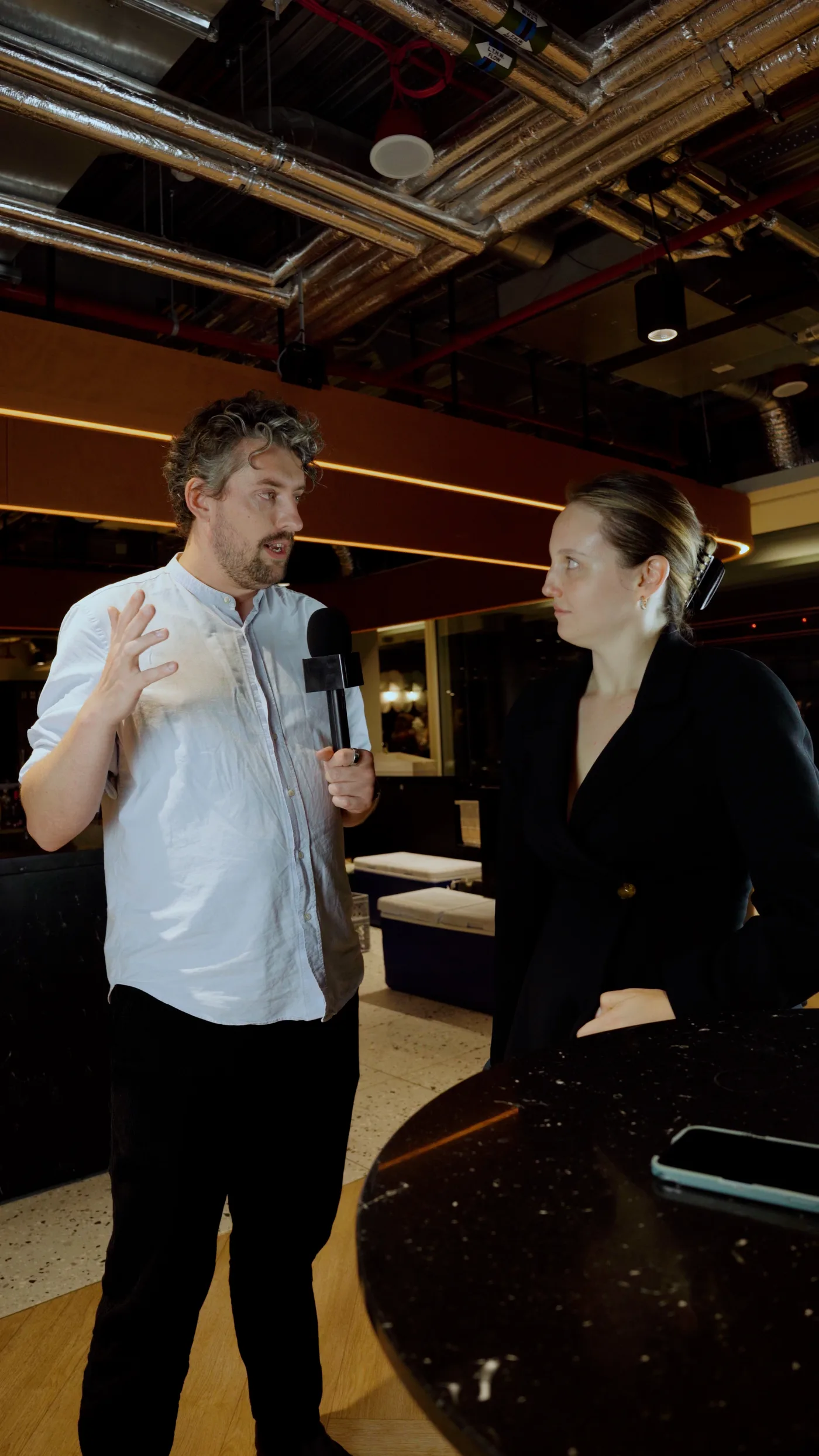
The room mattered as much as the stage
The evening sold out, and the audience was not a conference crowd. Po-Fu wrote afterwards that seeing so many young minds in the room, with their curiosity and questions, reminded him why he is excited about the future of the profession. We saw the same thing from the door: students and young architects asking the kind of questions that people with twenty years of practice were happy to take seriously, and conversations that ran until the last guests left the 43rd floor.
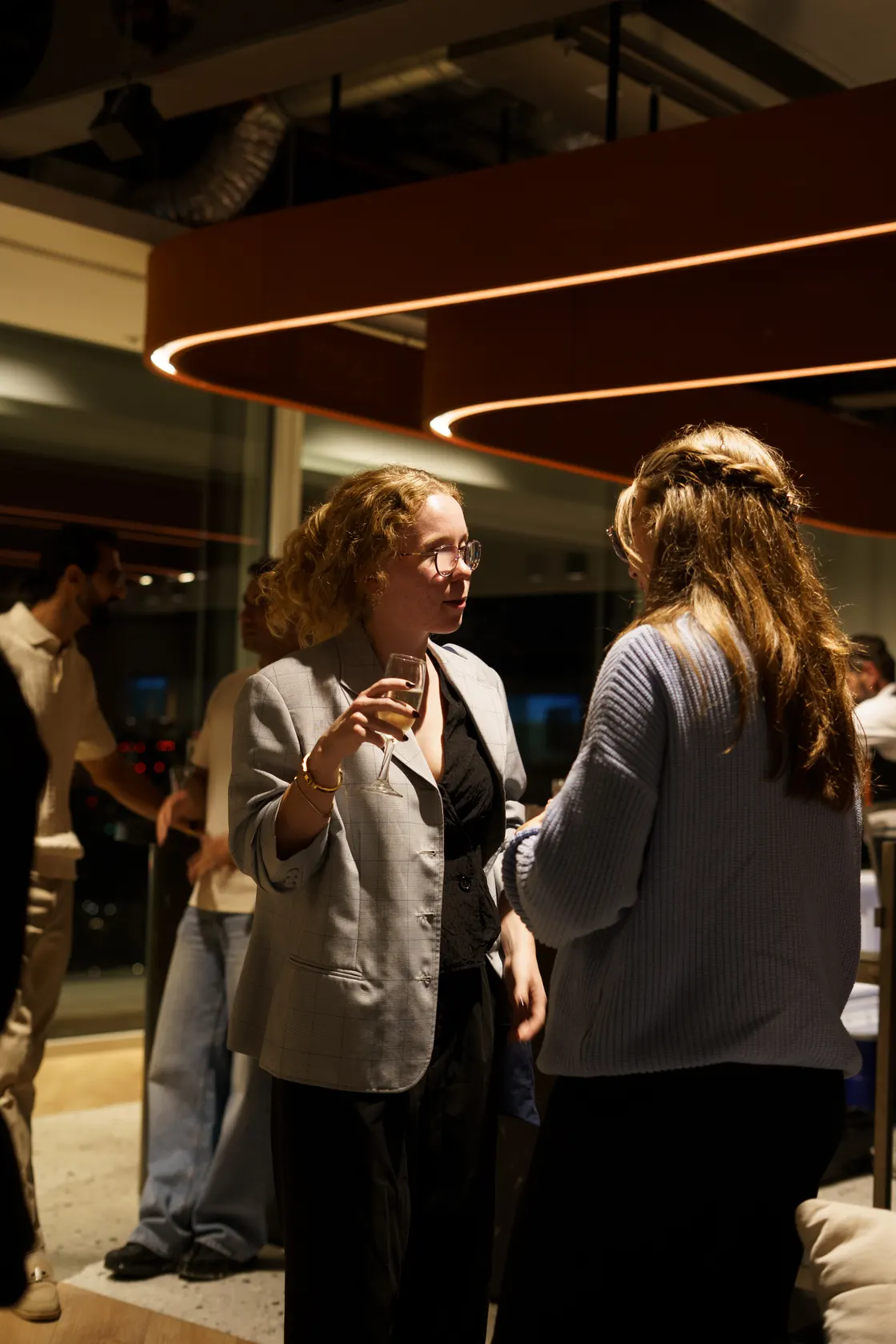
That mix is deliberate. A profession works out its relationship with a new technology exactly there, between the people who run applied research at large practices and the people who will inherit the results.
Why we run these evenings
Architecture After Hours is our own series: evenings where architecture, engineering and construction people talk about the profession honestly, without a sales stage. We wrote about what it takes to build events like this in organising architecture events, and London confirmed the thesis: if the speakers are right and the room is right, the event does not need to be sold, it fills itself.
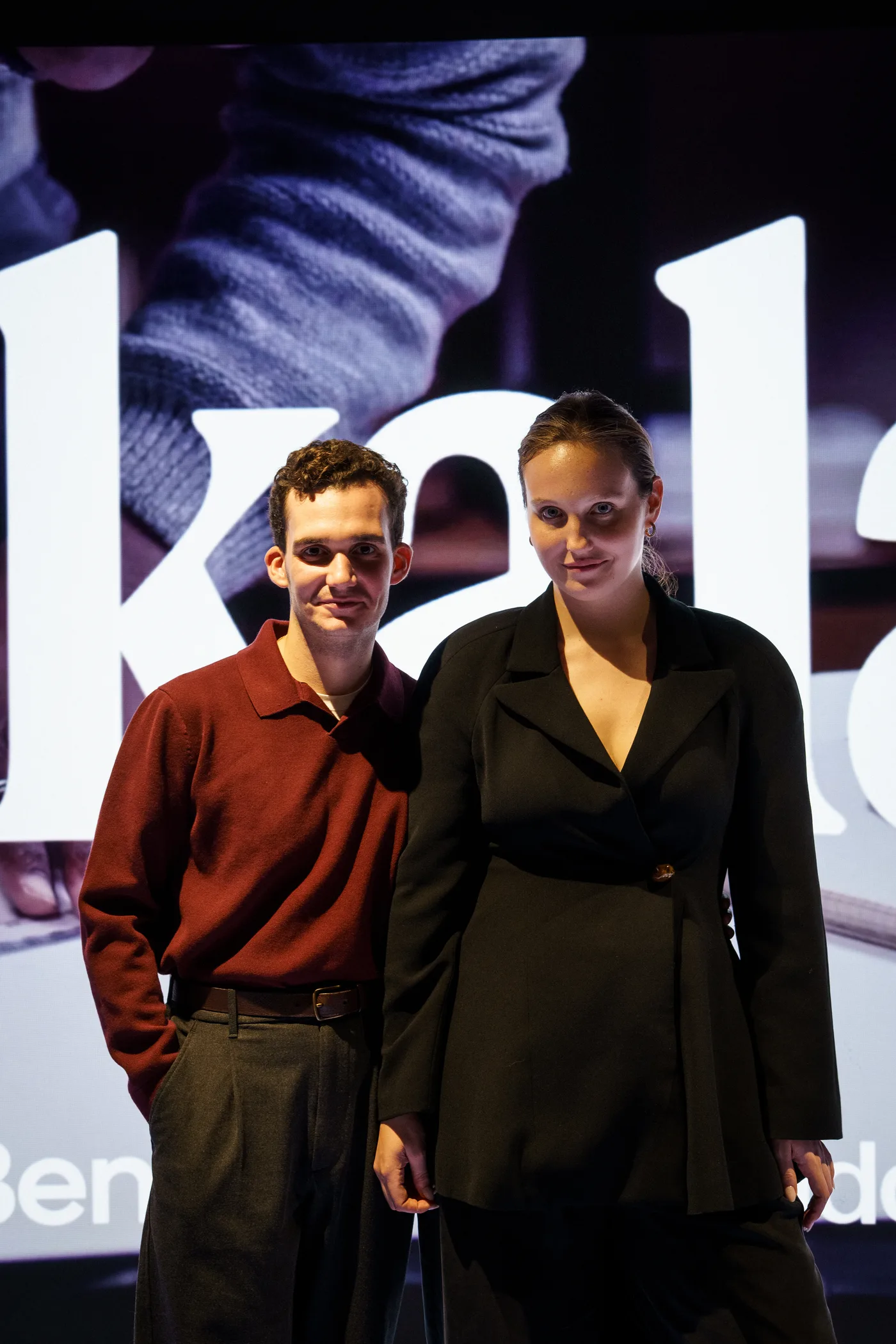
The series continues. Berlin follows in October, and London gets its second edition in January: Architecture After Hours, London, January edition. If your firm wants to be in the room where this conversation continues, the event pages list how to join. And thank you again to every speaker, to Bentley for the space above London, and to everyone who stayed until the end.
About the author
Vladislav Akhmetov
Vladislav Akhmetov is the co-founder and CTO of Skala Social. An engineer by training, he built the analytics and reporting the agency runs on, turning Instagram data into the monthly funnel that tells architecture and engineering firms where their leads actually come from.
Read next